
Period cramps suck. Like… why are we being punished for having a uterus?!
Not everyone gets period cramps, but for those who do, they can range from “ugh, annoying” to “I literally cannot leave my bed and I have cancelled all my plans” levels of pain.
Why do some people get cramps and others don’t?
Why do my cramps feel SO bad?
And most importantly… how do I make them stop?!
@GGtheOBGYN is here to break down why period cramps happen, what you can do about them, and when painful periods are actually a sign that something else might be going on.
Let’s start with the science, but I promise I won't make you relive high school biology. Basically, period cramps happen because your uterus is contracting. Every month, your body prepares for a potential pregnancy by releasing an egg which releases progesterone. If pregnancy doesn’t happen, your progesterone levels drop, which tells your uterine lining that it’s time to pack up and leave. That lining then starts breaking down and is shed as your period.
As progesterone drops, your uterine lining produces substances that get converted into prostaglandins.
Prostaglandins tell your uterus to contract so that it can help push out the menstrual blood and tissue. The problem is that, for some people, those contractions can be really strong. When your uterus contracts hard, it can temporarily compress some of the tiny blood vessels supplying the uterine muscle. This reduces blood flow and oxygen to the area, which contributes to that lovely “someone is squeezing my uterus in a tiny fist” feeling. And prostaglandins don't stop at your uterus. They can also affect your digestive system, which is why your period might come with: weird poops (you know the ones), nausea, bloating, and tummy upset.
BUT: not every painful period is simply “normal cramping.” Conditions like endometriosis, adenomyosis and fibroids can cause painful periods too, so if your cramps are next-level, keep reading.

First things first, always talk to your actual healthcare provider first before changing any meds and to make sure that something is safe FOR YOU. Ok, on with the show.
Nonsteroidal anti-inflammatory drugs (NSAIDs) like ibuprofen (Advil) and naproxen (Aleve) are some of the best medications for period cramps.
And here's why: Remember our girl prostaglandin aka Crampmaster 5000™? NSAIDs block the COX enzymes that help your body make prostaglandins.
Less COX → less prostaglandins → fewer/less intense contractions → LESS CRAMPING.
If your periods are predictable, taking an NSAID at the first sign of your period or about 48 hours before it starts can be particularly helpful because you're getting ahead of the prostaglandin production.
Acetaminophen (aka Tylenol) can also help with pain, although it generally isn't as effective for menstrual cramps as NSAIDs. And yes, acetaminophen and an NSAID can usually be taken together because they work through different pain pathways.
If your periods are consistently ruining your life, there are prescription options too.
Hormonal treatments can reduce or sometimes stop periods altogether, which means less prostaglandin production = potentially MUCH happier uterus.
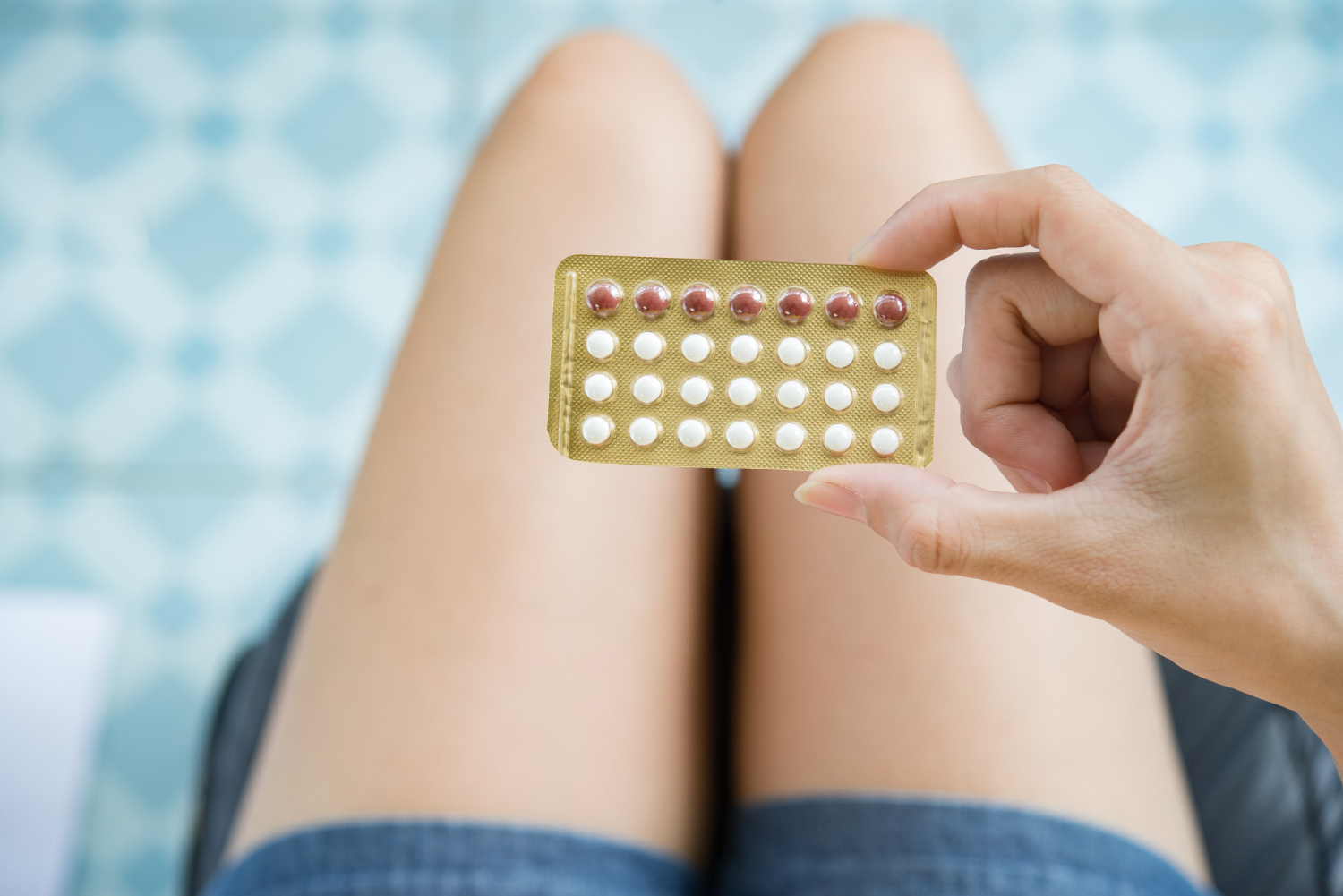
Options can include: Combined oral contraceptive pills, Progestin-only pills, The contraceptive implant, Hormonal IUDs, and/or GnRH agonists/antagonists in specific situations
These medications all work a little differently, and which one is right for you depends on your medical history, goals, and preferences.
One important FYI: the copper IUD can make periods heavier and crampier, so it may not be the best choice if you're already struggling with painful periods.
A hot water bottle, heating pad, warm bath or heated blanket can help with period pain.
Heat may work by:
Basically, a warm uterus is a happy uterus. Just be careful not to burn yourself! Avoid falling asleep with a heating pad on and don’t let that water bottle get too hot!
You can also try a TENS machine (transcutaneous electrical nerve stimulation). These little devices deliver gentle electrical impulses through electrodes placed on your skin.
It sounds slightly futuristic, but the idea is actually pretty cool: the electrical stimulation activates sensory nerves and can modulate how pain signals are processed by your nervous system. TENS won’t eliminate your pain, but it can decrease the intensity.
I know, the last thing you want to hear when you’re curled in the fetal position with pain is “have you tried exercising”. But as with many things in life, moving your body often DOES make your feel better. Exercise can: improve blood flow, promote natural endorphin release, and improve your mood from total crash out to only a minor menty B. This doesn't have to be vigorous activity or running a marathon! a walk around the block or a dance break with your bestie can help your body move through the pain.

…. Those are all good enough reasons to talk to a healthcare provider.
Your uterus may be dramatic, but you don’t have to let them run the show.
Written by Dr. Giuliana Garna, @GGtheOBGYN